




Introduction
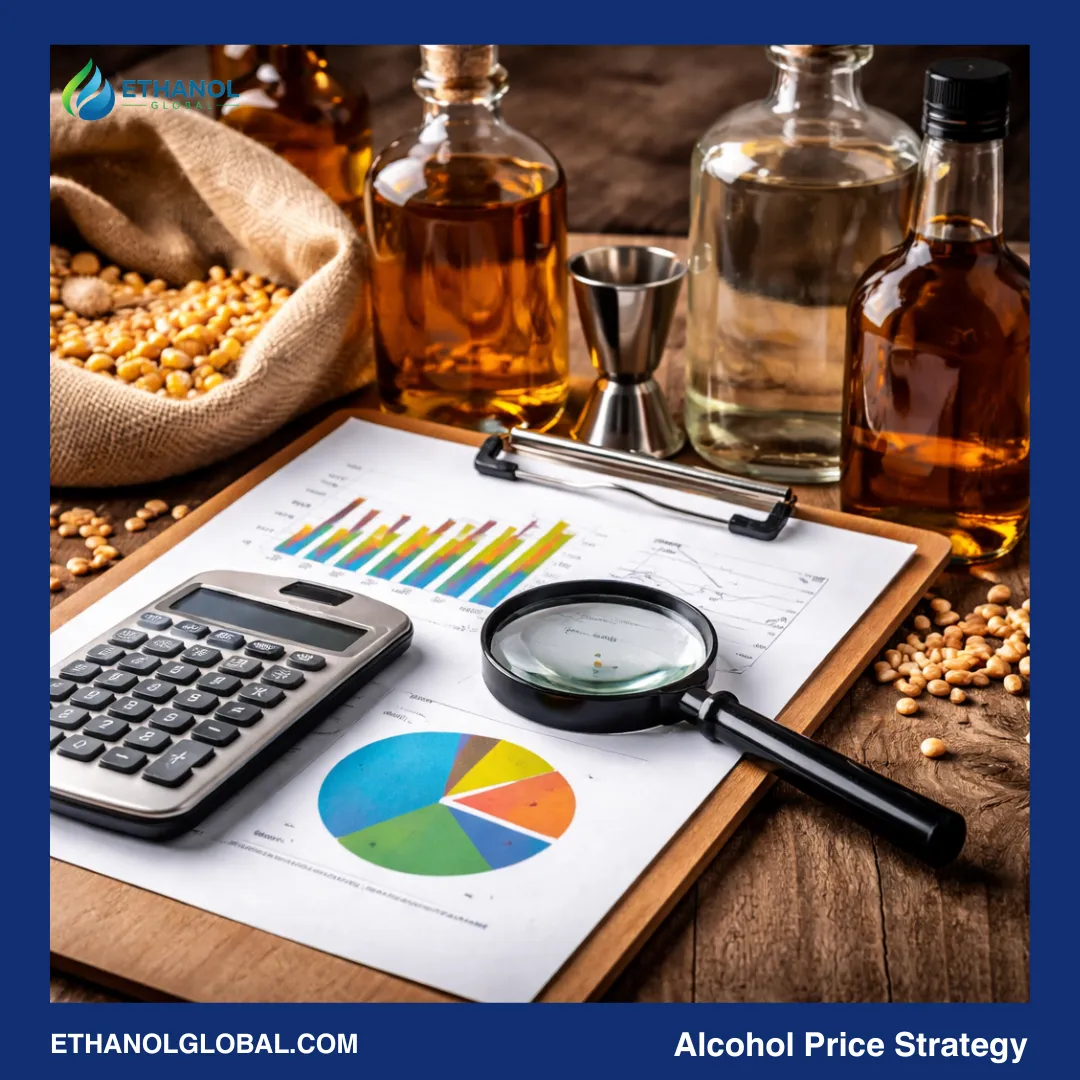
For companies that rely on industrial or food-grade alcohol, purchasing decisions can have a significant impact on profitability. Whether alcohol is used in manufacturing, sanitation, pharmaceuticals, cosmetics, or food production, developing an effective alcohol price strategy is essential for controlling costs and maintaining a competitive advantage.
Instead of focusing solely on the lowest quoted price, successful businesses evaluate the total cost of procurement, supply reliability, logistics, and market conditions. A smart purchasing strategy can reduce expenses while ensuring uninterrupted operations.
What Is an Alcohol Price Strategy?
An alcohol price strategy is a structured approach to purchasing alcohol products at the best overall value. It involves analyzing pricing trends, supplier performance, transportation costs, storage requirements, and long-term procurement goals.
Companies that implement a clear strategy often achieve:
- Lower procurement costs
- Improved supply chain stability
- Better contract terms
- Reduced risk of shortages
- More predictable budgeting
As a result, purchasing becomes a strategic business function rather than a routine transaction.
Key Factors That Influence Alcohol Prices
Understanding the factors behind alcohol pricing helps buyers make more informed decisions.
Raw Material Costs
Alcohol production depends on feedstocks such as corn, sugarcane, wheat, or other agricultural products. Therefore, fluctuations in crop yields and commodity markets can directly affect alcohol prices.
Energy and Production Expenses
Manufacturing alcohol requires substantial energy for fermentation and distillation. Consequently, rising energy costs often lead to higher market prices.
Transportation and Logistics
Shipping alcohol involves specialized handling and regulatory compliance. Therefore, freight rates, fuel costs, and delivery distances can significantly influence the final purchase price.
Market Demand
Demand from pharmaceutical, food processing, personal care, and industrial sectors can create temporary price increases. During periods of strong demand, suppliers may face limited inventory and longer lead times.
How Businesses Can Buy Alcohol More Cost-Effectively
1. Monitor Market Trends
Businesses should track market developments and seasonal pricing patterns. By purchasing during favorable market conditions, companies can avoid buying at peak prices.
2. Negotiate Long-Term Contracts
Long-term agreements often provide more stable pricing than spot purchases. In addition, suppliers may offer volume discounts and priority allocation to contract customers.
3. Evaluate Total Landed Cost
The cheapest supplier is not always the most economical option. Buyers should consider:
- Product price
- Freight charges
- Import duties
- Storage expenses
- Delivery reliability
A comprehensive cost analysis often reveals the true value of a supplier.
4. Optimize Order Volumes
Ordering larger quantities can reduce the cost per unit. However, businesses should balance bulk purchasing against storage costs and inventory risks.
5. Diversify Suppliers
Relying on a single supplier may expose companies to price spikes and supply disruptions. Therefore, maintaining relationships with multiple qualified suppliers can improve negotiating power and reduce risk.
The Role of Supply Chain Planning
A successful alcohol price strategy goes beyond negotiating prices. Effective inventory management and demand forecasting help businesses purchase alcohol at optimal times.
For example, companies that accurately predict future consumption can secure inventory before market prices rise. Consequently, they avoid emergency purchases that often carry premium pricing.
Common Mistakes That Increase Alcohol Procurement Costs
Many businesses unknowingly spend more than necessary because of avoidable procurement errors.
Common mistakes include:
- Choosing suppliers based solely on the lowest quote
- Ignoring logistics costs
- Purchasing without market analysis
- Maintaining insufficient inventory levels
- Failing to negotiate contract terms
By avoiding these mistakes, companies can improve purchasing efficiency and reduce long-term expenses.
Building a Sustainable Alcohol Purchasing Strategy
An effective alcohol price strategy combines market intelligence, supplier evaluation, inventory planning, and cost analysis. Furthermore, businesses should regularly review procurement performance and adapt strategies as market conditions change.
Organizations that take a strategic approach to alcohol purchasing are better positioned to control costs, improve supply security, and achieve consistent operational performance.
Conclusion
Developing a smart alcohol price strategy is one of the most effective ways for businesses to reduce procurement costs without compromising quality or reliability. By monitoring market trends, evaluating total costs, negotiating favorable contracts, and planning purchases strategically, companies can create a more resilient and cost-efficient supply chain.
In an increasingly competitive market, smarter buying decisions can deliver substantial long-term savings and strengthen overall business performance.