





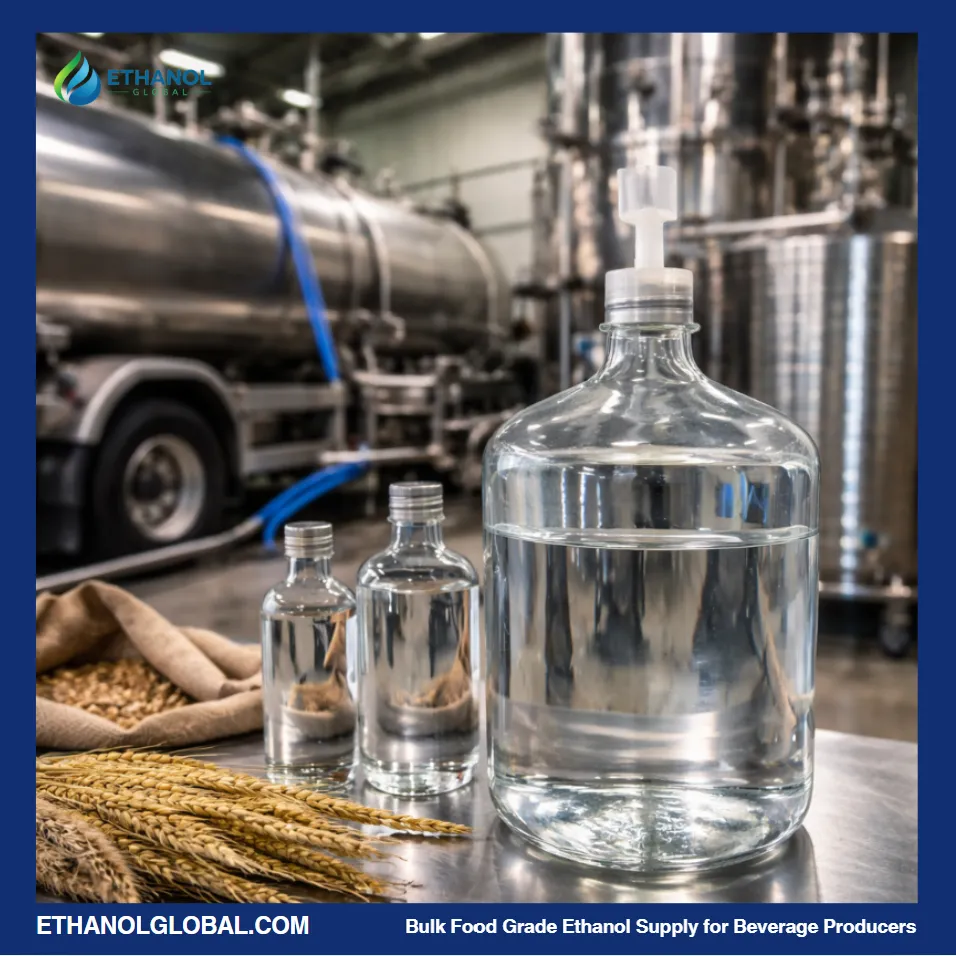
The demand for high-quality food grade ethanol continues to grow across the global beverage industry. From alcoholic beverage manufacturing to flavor extraction and specialty drink production, ethanol plays a critical role in maintaining product quality, safety, and consistency. As production volumes increase, beverage producers must secure a reliable bulk supply partner that can meet strict industry standards.
Why Food Grade Ethanol Matters in Beverage Production
Food grade ethanol is specifically manufactured and tested to meet regulatory requirements for food and beverage applications. Unlike industrial-grade alcohol, it contains controlled impurity levels and is suitable for direct use in products intended for human consumption.
For beverage manufacturers, using certified food-grade ethanol helps ensure:
- Consistent product quality
- Regulatory compliance
- Consumer safety
- Reliable flavor profiles
- Reduced risk of contamination
As a result, sourcing ethanol from reputable suppliers is a critical procurement decision.
Key Considerations When Sourcing Bulk Food Grade Ethanol
When evaluating suppliers, beverage producers should consider several factors beyond price alone.
1. Product Purity and Certification
The first priority should be ethanol purity and compliance documentation. Suppliers should provide certificates of analysis (COA), technical data sheets, and quality certifications confirming that the food grade ethanol meets applicable standards.Beverage manufacturers should ensure their ethanol complies with international food safety standards and regulatory requirements.
2. Supply Reliability
Production interruptions can be costly for beverage manufacturers. Therefore, buyers should assess a supplier’s production capacity, inventory management, and logistics network to ensure uninterrupted deliveries.Companies seeking dependable bulk ethanol supply solutions should work with experienced suppliers that can support long-term production needs.
3. Packaging and Bulk Delivery Options
Different beverage producers have different requirements. Leading suppliers typically offer:
- Bulk tank truck deliveries
- ISO tank containers
- Drums
- Intermediate bulk containers (IBCs)
Selecting the right packaging solution can improve operational efficiency and reduce handling costs.
4. Global Logistics Expertise
For international beverage producers, customs procedures, export documentation, and transportation regulations are important considerations. An experienced ethanol supplier can simplify international shipments and reduce delivery risks.
Common Challenges in Food Grade Ethanol Procurement
Many beverage companies face challenges when sourcing bulk ethanol, including:
- Price volatility in raw material markets
- Supply chain disruptions
- Regulatory changes
- Inconsistent product quality
- Delayed shipments
Working with an established supplier can help mitigate these risks and provide greater supply security.
Benefits of Long-Term Supply Agreements
Many large beverage producers choose long-term contracts for their food grade ethanol requirements. These agreements often provide:
- Stable pricing structures
- Priority allocation during market shortages
- Improved production planning
- Stronger supplier relationships
- Enhanced supply chain resilience
Long-term partnerships can create significant operational advantages in competitive markets.
Choosing the Right Food Grade Ethanol Supplier
The ideal supplier should combine product quality, regulatory compliance, competitive pricing, and dependable logistics support. Beverage manufacturers should conduct supplier evaluations, review quality documentation, and assess supply capabilities before making purchasing decisions.
As global beverage production continues to expand, securing a trusted source of food grade ethanol becomes increasingly important for maintaining product quality and ensuring uninterrupted operations.
Conclusion
A reliable bulk food grade ethanol supply strategy is essential for beverage producers seeking consistent quality and operational efficiency. By focusing on supplier reliability, product certification, logistics capabilities, and long-term partnerships, manufacturers can strengthen their supply chains and support sustainable business growth.