Introduction
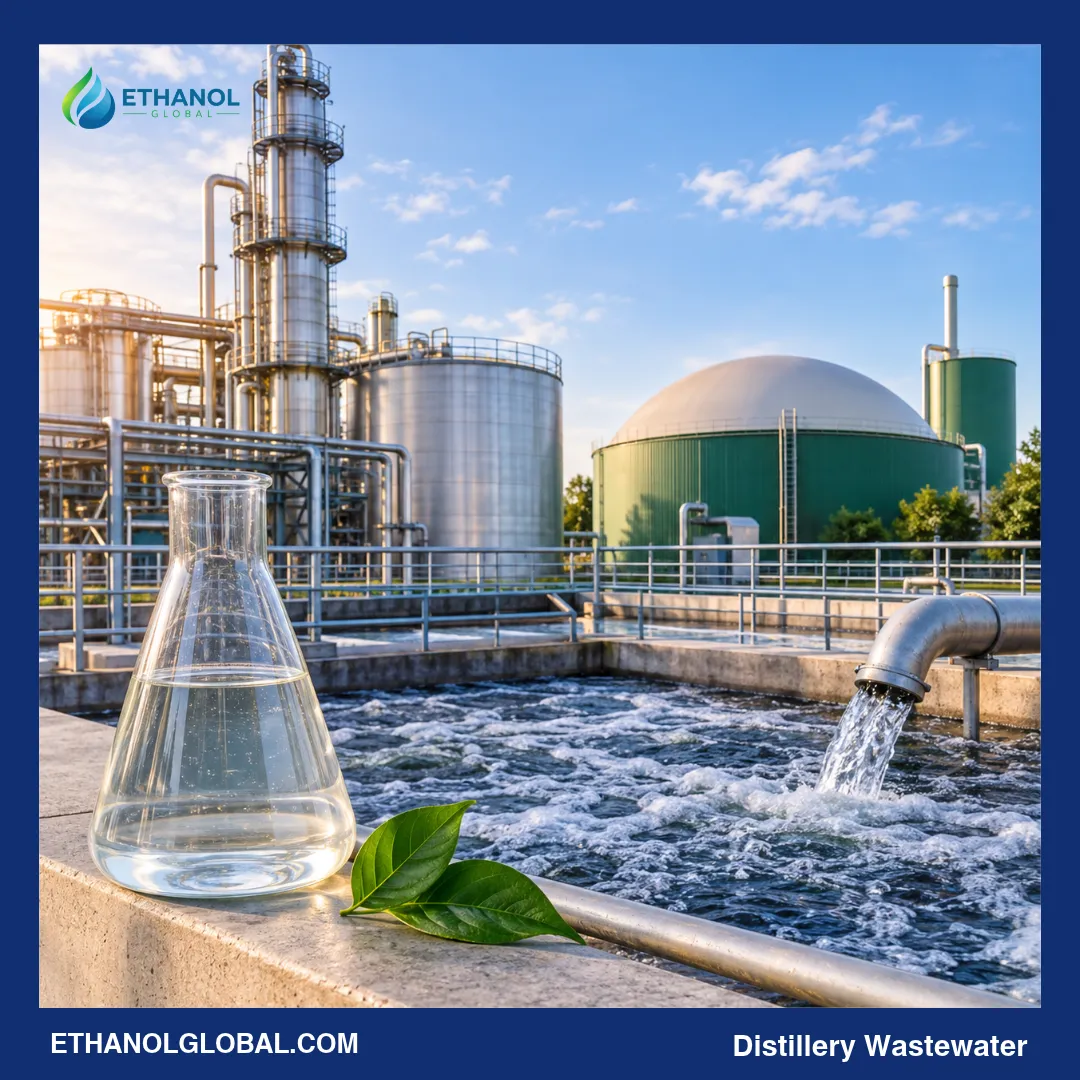
The production of Ethanol 96% involves several industrial processes, including fermentation, distillation, and purification. These operations generate wastewater containing organic compounds, suspended solids, and dissolved substances. Understanding the different industrial applications of Ethanol 96% also helps manufacturers evaluate production requirements and improve overall process sustainability. Proper wastewater management is essential for reducing environmental pollution and improving production sustainability.
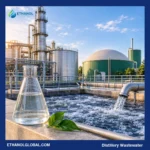
Distillery wastewater, also known as spent wash or stillage, can contain high concentrations of organic matter. If discharged without adequate treatment, it may damage aquatic ecosystems and contaminate soil and groundwater. Therefore, effective Ethanol 96% wastewater treatment is an important part of responsible industrial production.
1. Organic Load in Distillery Wastewater
One of the main challenges in distillery wastewater treatment is its high organic load. Two important parameters are Biological Oxygen Demand (BOD) and Chemical Oxygen Demand (COD).
- BOD: Measures the amount of oxygen required by microorganisms to break down biodegradable organic matter.
- COD: Measures the oxygen equivalent required to chemically oxidize organic substances in wastewater.
High BOD and COD levels indicate that untreated wastewater can consume significant amounts of dissolved oxygen in natural water bodies. Its composition depends on the raw materials, fermentation conditions, and production technology used in the distillery.
In addition, wastewater may contain organic acids, residual sugars, suspended solids, and colored compounds such as melanoidins. These substances make treatment more complex and require appropriate treatment methods.
2. Anaerobic Digestion for Wastewater Treatment
Anaerobic digestion is one of the most effective biological methods for treating high-strength distillery wastewater. This process uses microorganisms to break down organic matter in the absence of oxygen.
During digestion, complex organic compounds are converted into simpler substances, producing biogas that mainly contains methane and carbon dioxide.
Recent research on distillery wastewater treatment has demonstrated the effectiveness of UASB reactors in reducing organic pollution and recovering methane through anaerobic digestion.
The main advantages of anaerobic digestion include:
- Organic Load Reduction: It reduces BOD and COD concentrations before further treatment.
- Biogas Production: Methane-rich biogas can be used as a renewable energy source.
- Lower Energy Demand: It generally requires less energy than conventional aerobic treatment.
- Sludge Reduction: It can produce less biological sludge compared with some alternative treatment processes.
However, successful anaerobic digestion requires careful control of pH, temperature, organic loading rate, and hydraulic retention time. Excessive organic loading or unsuitable operating conditions can reduce microbial activity and affect treatment efficiency.
3. Additional Wastewater Treatment Methods
Although anaerobic digestion removes a significant portion of biodegradable organic matter, the treated wastewater may still contain residual pollutants, color, and dissolved solids.
Additional treatment methods can improve final effluent quality.
Aerobic Treatment
Aerobic treatment uses oxygen-dependent microorganisms to break down remaining organic compounds. It is commonly applied after anaerobic digestion to reduce residual BOD and COD.
Membrane Filtration
Membrane technologies can separate suspended solids and certain dissolved substances from wastewater. Depending on membrane type and operating conditions, they can support water recovery and reuse.
Advanced Oxidation
Processes such as ozonation and Fenton oxidation can help remove persistent organic compounds and reduce wastewater color. These methods are particularly useful when conventional biological treatment cannot adequately remove resistant pollutants.
An integrated treatment system often provides better results than relying on a single technology.
4. Resource Recovery from Distillery Wastewater
Modern Ethanol 96% production facilities can treat wastewater as a potential resource rather than simply an industrial waste.
Several valuable resources can be recovered through appropriate treatment technologies:
- Biogas: Methane produced during anaerobic digestion can provide energy for boilers and other industrial operations.
- Water Reuse: Properly treated wastewater may be reused in selected industrial applications, depending on its quality and regulatory requirements.
- Organic Matter: Certain organic compounds can be recovered or converted into useful products through specialized technologies.
- Nutrient Recovery: Nitrogen, phosphorus, and other nutrients may be recovered for agricultural or industrial applications when technically and economically feasible.
These approaches can reduce waste disposal costs, improve resource efficiency, and support the development of more sustainable distillery operations.
5. Economic and Environmental Benefits
Investing in effective wastewater treatment offers several long-term benefits for ethanol producers.
First, biogas recovery can reduce dependence on external energy sources and lower operational expenses. Second, water reuse can decrease freshwater consumption, particularly in facilities with high water demand.
Furthermore, reducing organic pollution helps companies comply with environmental regulations and minimize the risk of penalties associated with improper wastewater disposal.
Combining anaerobic digestion with advanced treatment and resource recovery can also improve the overall environmental performance of ethanol production facilities.
Conclusion
Ethanol 96% distillery wastewater treatment plays an important role in reducing industrial pollution and improving production efficiency. High organic loads make proper treatment essential, while anaerobic digestion offers an effective solution for reducing organic matter and generating renewable biogas.
By combining biological treatment, advanced purification, and resource recovery, ethanol manufacturers can reduce environmental impacts, recover valuable resources, and move toward more sustainable production systems.
Contact Us for Ethanol 96% Supply and Technical Information
Looking for a reliable Ethanol 96% producer and exporter? Contact our team for product specifications, technical information, and competitive price quotations. We are ready to support your industrial ethanol requirements.